
Not all stretching is the same. If you’ve ever lifted your leg and held it in the air using only your own strength—or reached your arms overhead and actively maintained the position—you’ve already experienced active stretching.
So, what is active stretching, exactly? It’s a purposeful way to stretch that uses your own muscles to create and control the movement. Active stretching plays a key role in warming up the body, improving mobility, and building strength where it matters most—at the end ranges of motion.
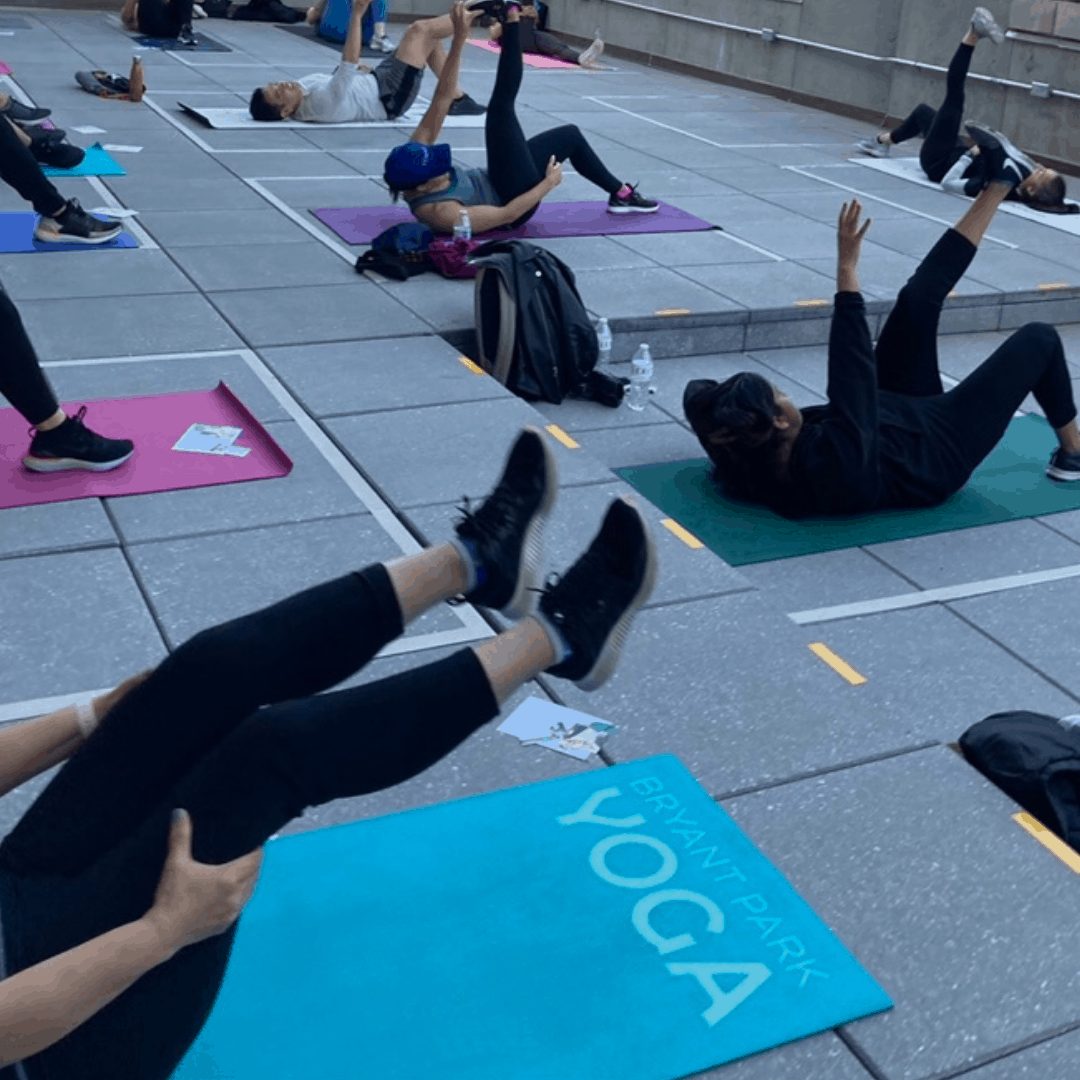
In this guide, we’ll break down what active stretching is, how it works, its benefits, how it compares to other stretching methods, and how to use it safely as part of a smarter movement routine.
What Is Active Stretching?
Active stretching involves contracting one muscle group to stretch the opposing muscle group—without any external assistance. There are no props, no partners, and no reliance on gravity to hold the stretch. Your body does all the work. This differs from a static stretch, where the muscle is held passively, or a dynamic stretch, where movement occurs through the range of motion. Understanding the type of stretching you’re doing helps target muscles effectively. It’s also how to increase mobility.
Simple examples include:
- Holding your leg up in front of you without using your hands to stretch the hamstrings
- Lifting your arms overhead and actively reaching upward
- Sitting tall and rotating your spine using muscle control rather than pulling with your hands
The goal of active stretching isn’t just to increase flexibility—it’s to gain flexibility while building strength, control, and coordination at the same time. Understanding active stretching vs passive stretching helps you choose the best method for your goals.
How Active Stretching Works
Active stretching works by engaging both the muscular and nervous systems.
Here’s what’s happening:
- The nervous system coordinates muscle activation, teaching your body how to control movement
- Muscles learn to hold end-range positions, rather than just visiting them briefly (agonist muscles play a key role here)
- Joint stability improves, because surrounding muscles are actively supporting the movement
Because of this, active stretching is most effective after a light warm-up—when muscles are already warm and ready to move. It’s commonly used during warm-ups, movement prep, or as part of skill-building and rehab-focused routines.
Benefits of Active Stretching
When done correctly, active stretching offers a wide range of benefits that go beyond traditional stretching.
Improves range of motion and flexibility
By repeatedly controlling movement through range, flexibility becomes more usable.
Builds strength at end ranges
This is key for long-term joint health and injury prevention.
Prepares the body for activity
Active stretching primes muscles and joints for movement, making it ideal before workouts.
Reduces injury risk
Better control through range means fewer compensations and strain.
Helps correct muscle imbalances
Strengthening underused muscles can restore balance and alignment.
These benefits make active stretching a foundational tool for smarter movement—not just looser muscles.
Key benefits of compression therapy
Active Stretching vs. Passive Stretching
Understanding the difference between active and passive stretching helps you choose the right tool for the job.
Active stretching: You create and hold the stretch using your own muscles
Passive stretching: An external force (gravity, a strap, or a partner) helps move or hold the stretch
Real-world example:
- Lifting your leg and holding it in the air = active stretching
- Lying on your back while a partner lifts your leg = passive stretching
Both methods are valuable, but active stretching is especially useful for:
- Warm-ups
- Performance preparation
- Balance and coordination work
- Building strength through range
Passive stretching tends to work best for cooldowns, recovery, and relaxation.
Who Should Try Active Stretching?
Active stretching can benefit a wide range of people, especially those looking to move better, not just stretch more.
It’s ideal for:
- Athletes and fitness enthusiasts preparing for performance
- People working on posture, balance, or alignment
- Desk workers or sedentary individuals needing better movement control
- Those retraining movement patterns during rehab or recovery (with guidance)
Caution:
If you’re dealing with an injury, pain, or significant mobility limitation, it’s best to work with a trained professional before attempting advanced active stretching techniques.
Examples of Active Stretches
Here are a few accessible active stretches you can try once you’re warmed up:
Straight-Leg Raise Hold
Lie on your back or stand upright and lift one leg straight up, holding it using your hip flexors and core.
Helpful for hamstrings and hip control. Helpful for hamstring stretch and hip control.
Shoulder Circles with Hold
Slowly circle your arms and pause briefly at the top of each rep.
Great for shoulder mobility and posture.
Active Seated Spinal Twist
Sit tall and rotate your torso using your core muscles and avoid pulling with your arms.
Supports spinal mobility and control.
Arm Reach Overhead with Hold
Reach one or both arms overhead and actively lengthen through your torso while maintaining stability.
Useful for upper-body and rib mobility.
Glute Bridges with End-Range Pause
Lift your hips into a bridge and hold at the top, engaging glutes and core.
Builds hip extension strength and stability.
These movements work well as part of a warm-up, mobility session, or guided stretch routine, and can complement a static or dynamic stretch for full-range flexibility.
Tips for Doing Active Stretching Safely
To get the most out of active stretching – and avoid strain – keep these guidelines in mind:
- Warm up first with light movement before exploring deeper ranges
- Hold stretches for 10–30 seconds, focusing on steady control
- Prioritize control over intensity – no momentum or swinging
- Avoid bouncing or jerky movements
- Never force range – progress should feel challenging but controlled
- Quality matters more than how far you stretch.
Build Flexibility You Can Use
Active stretching isn’t just about becoming more flexible, it’s about building flexibility you can actually use. By strengthening your body at end ranges, you improve movement quality, confidence, and long-term resilience.
If you want to feel stronger, looser, and more in control of your body, active stretching is a powerful addition to your routine.
Want expert guidance on incorporating active stretching into your movement plan? Book a session at Stretch*d and let our Stretch*rs help you stretch with purpose, precision, and support.
Sources:
- National Academy of Sports Medicine (NASM) – Stretching modalities and movement preparation
- National Strength and Conditioning Association (NSCA) – Active range of motion and injury prevention
- Behm DG, et al. (2023). Active vs. passive stretching and neuromuscular control. Sports Medicine
- Physical Therapy Journal – Motor control and end-range strength research