
Headaches have a way of sneaking up – after a long day at a desk, hours of screen time, poor posture, or sustained stress. While medication can be helpful in some cases, many people are looking for more natural, body-based ways to find relief. That’s where massage for headaches comes in.
Massage therapy addresses one of the most common underlying contributors to headaches: muscle tension and nervous system overload. When applied intentionally, massage can help reduce pain, calm the body, and support long-term headache management.
This guide explains how massage works to relieve headaches, which techniques are most effective, who benefits most, and how guided massage fits into a full-body wellness and recovery plan—aligned with Stretch*d’s movement-based philosophy.
Can Massage Help With Headaches?
Yes, and research supports it. Massage therapy has been shown to reduce headache frequency, intensity, and duration, particularly for headaches driven by chronic tension and muscular strain.
Massage helps by:
- Relaxing tight neck muscles, shoulders, and scalp muscles
- Improving circulation and oxygen delivery to tissues
- Reducing physical and emotional stress that contributes to intense headaches
- Activating the parasympathetic (rest-and-digest) nervous system
Massage is especially effective for:
- Tension headaches
- Cervicogenic headaches (originating in the neck)
- Stress-related headaches and migraines (mild to moderate)
By addressing the muscular and neurological contributors to head pain, massage for headaches treats more than just symptoms; it targets the source.
Types of Headaches That Respond Well to Massage
Tension Headaches
Tension-type headache is the most common type and is often described as a dull, tight, or band-like pressure around the head.
Common triggers include:
- Stress and mental fatigue
- Poor posture
- Tight neck, shoulder, and jaw muscles
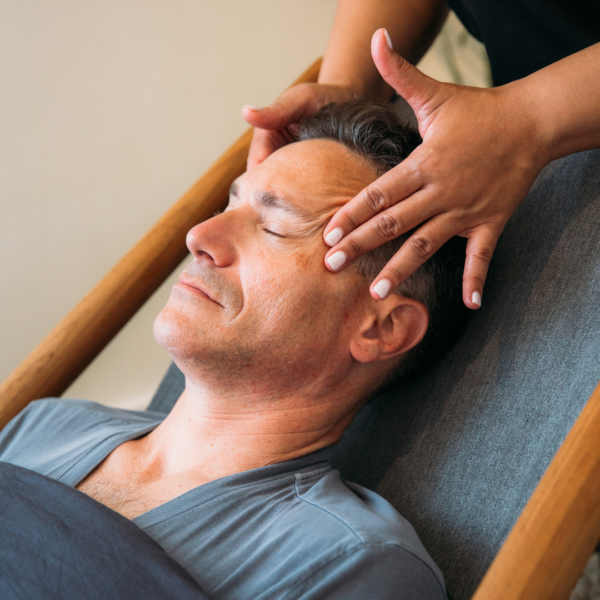
Massage helps by relaxing the muscles of the scalp, neck, shoulders, and upper back, areas where tension commonly accumulates.
Migraines (Mild to Moderate)
Migraines are more complex and can involve neurological and vascular factors. While massage is not a cure, many migraine headache sufferers report:
- Reduced severity
- Shorter duration
- Less frequent episodes when massage is used preventatively
Gentle scalp, neck, and trigger-point work can help reduce muscular tension that may exacerbate migraine symptoms.
Note: Those with severe or chronic migraines should consult a medical professional before beginning massage therapy.
Cervicogenic Headaches
Cervicogenic headaches originate in the neck and upper spine, often radiating upward toward the head and temples.
These headaches respond particularly well to manual therapy because of massage:
- Releases tight cervical muscles
- Improves neck mobility
- Reduces strain at the base of the skull
Targeted work in the neck and suboccipital region is often key.
Sinus Headaches
Sinus headaches are linked to congestion and pressure in the sinus cavities.
Massage can help by:
- Encouraging lymphatic drainage
- Relieving facial and jaw tension
- Improving circulation in the face and head
Gentle facial massage techniques are especially effective here, and some clients also explore facial-focused modalities inspired by buccal massage benefits for reducing jaw tightness and facial tension that can contribute to sinus pressure.
Best Massage Techniques for Headache Relief
When it comes to massage for headaches, not all techniques are created equal. The following approaches are among the most effective:
Suboccipital Release
The suboccipital muscles sit at the base of the skull and are a common origin point for tension headaches.
- Light, sustained pressure helps these muscle groups relax
- Often provides rapid relief
- Particularly effective for posture-related headaches
Neck and Shoulder Massage
Tight shoulders and neck muscles are one of the biggest contributors to head pain.
Massage in this area:
- Reduces postural strain from desk work or phone use
- Improves blood flow
- Decreases muscle guarding
This is a cornerstone technique for headache relief with mobility-focused services such as assisted stretching, which can help maintain results between sessions.
Scalp Massage
The scalp contains numerous small muscles and blood vessels.
Benefits include:
- Increased circulation
- Reduced stress response
- Immediate soothing effect for tension-based headaches
Scalp massage is gentle but powerful.
Facial Pressure Point Work
Facial massage focuses on areas around the jaw, temples, and sinus cavities.
This can be especially helpful for:
- Sinus headaches
- Jaw-related headaches
- TMJ-associated discomfort
Trigger Point Therapy
Trigger points (commonly called “knots”) in the trapezius, sternocleidomastoid (SCM), and jaw muscles often refer pain to the head.
Targeted trigger point work:
- Releases localized muscle tension
- Reduces referred pain patterns
- Supports longer-lasting relief
When to Use Massage for Headache Relief
Massage can be effective both reactively and preventatively.
Ideal times include:
- At the first sign of a mild headache or migraine
- After a long, stressful, or sedentary day
- As part of a weekly wellness or recovery routine
- Before or after workouts to address neck and shoulder strain
Important caution:
If headaches are sudden, severe, worsening, or linked to neurological symptoms, consult a healthcare provider before using massage therapy.
Who Should Try Massage for Headaches?
Massage for headaches can benefit anyone affected by tension and migraine, or chronic conditions. It may be especially helpful for:
- Office workers and remote professionals with postural strain
- High-stress individuals experiencing mental and physical fatigue
- Athletes with tight shoulders and necks
- TMJ or jaw tension sufferers
- Anyone seeking non-pharmaceutical headache relief
Because massage addresses both physical and nervous system factors, it’s a versatile and accessible option for many.
How Often Should You Get a Massage for Headaches?
The right frequency depends on your symptoms and goals.
General guidelines:
- Preventative care: once every 1–2 weeks
- As-needed relief: at the onset of headache symptoms
- Chronic tension or recurring headaches: work with a licensed massage therapist or specialist to build a consistent plan
For best results, massage should be paired with:
- Adequate hydration
- Regular movement and stretching
- Posture awareness
- Stress management strategies
At Stretch*d, massage and recovery services are designed to complement movement—helping your body feel better, not just temporarily, but long-term.
Final Thoughts: Release Tension Where It Starts
Headaches don’t have to control your day. When used intentionally, tension headache massage can offer real, lasting relief by addressing tension where it starts—in the muscles, posture, and nervous system.
Whether you’re managing daily stress, desk-related strain, or recurring head and neck tension, massage is a proven, practical tool for feeling better and moving through life with less headache pain.
Ready to feel better, faster? Book a Stretch*d session and explore massage techniques that help your head, neck, and shoulders feel lighter, more relaxed, and supported—starting today.
Sources:
- Mayo Clinic – Headache causes and treatment approaches
https://www.mayoclinic.org/diseases-conditions/headache/diagnosis-treatment/drc-20362120 - American Massage Therapy Association – Massage therapy and headache relief
https://www.amtamassage.org/resources/massage-therapy-and-headaches/ - National Institutes of Health – Massage therapy and pain management research
https://www.ncbi.nlm.nih.gov/pmc/articles/PMC5358096/