
Facial tension isn’t just skin-deep – it can affect how you feel, how you function, and how your body holds stress. From jaw clenching and teeth grinding to facial puffiness and asymmetry, many people carry tension in their face without realizing it. That’s where buccal massage benefits come into focus within modern skincare and wellness routines, especially as interest grows in hands-on recovery methods like assisted stretching and targeted bodywork.
Buccal massage is gaining popularity for its unique ability to work inside the cheeks, targeting deep muscles in the face that traditional facials and external massage can’t reach. By helping stimulate tissue response and relieve deeply held tension, the technique supports a more balanced jawline, improved comfort, and a healthier-looking complexion. The result is a technique that supports both cosmetic results and functional wellness, aligning perfectly with Stretch*d’s whole-body approach to movement, recovery, and feeling better in your body, much like the broader benefits of assisted stretching for muscular release and mobility.
This guide breaks down what buccal massage is, how it works, who it’s for, and why more people are incorporating it into their wellness routines.
What Is Buccal Massage?
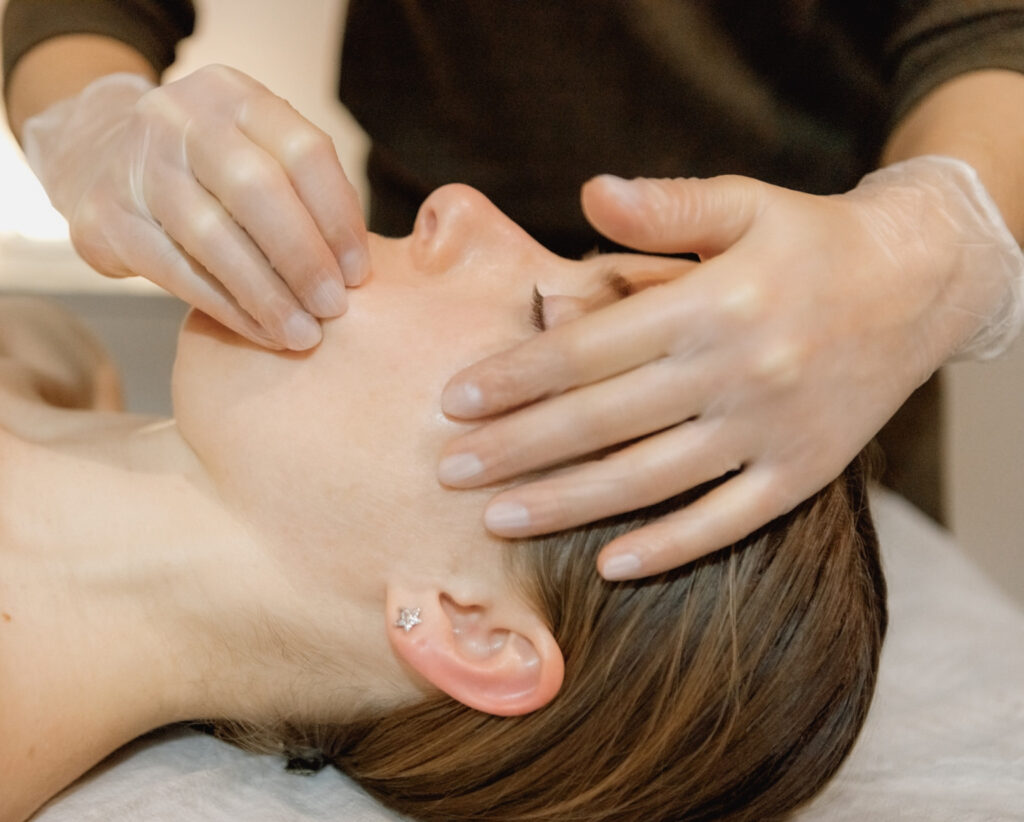
Buccal massage is a specialized form of facial massage that works intraorally, meaning part of the massage involves working inside the mouth. This intraoral massage targets the buccinator muscle, the deep cheek muscle involved in facial expression, chewing, and jaw stability, along with surrounding facial and jaw muscles.
During a buccal massage:
- Practitioners wear medical-grade gloves
- Facial tissues are manipulated both externally and internally
- Movements are slow, controlled, and intentional
Because it accesses muscles from both sides, buccal massage allows for a level of precision and release that external facial massage alone can’t achieve.
Buccal massage is used in:
- Spa settings for facial sculpting and contouring
- Clinical or therapeutic environments for jaw tension and TMJ support
- Wellness and recovery-focused practices for lymphatic drainage and stress relief
How Does Buccal Massage Work?
To understand the full range of buccal massage benefits, it helps to know what’s happening beneath the surface.
Buccal massage works by influencing muscles, fascia, circulation, and the lymphatic system in the face and jaw.
Key mechanisms include:
- Increased circulation in facial tissues
Gentle manipulation boosts blood flow to the muscles and skin, supporting tissue health and naturally radiant glow. - Release of jaw and cheek muscle tension
Many people unconsciously clench their jaw or hold stress in the face. Buccal massage focuses on relaxing the muscle and may complement other recovery approaches, including massage for headaches related to jaw and facial tension. - Stimulation of lymphatic flow
Encouraging lymph movement helps reduce fluid retention and facial puffiness. - Support for facial symmetry and relaxation
Releasing muscular imbalances can allow the face to rest in a more neutral, relaxed position. - Deeper fascial release
Facial fascia connects to the neck and upper body. Releasing restrictions in the face may influence head, neck, and upper-shoulder comfort.
This inside-out approach is what makes buccal massage such a powerful complement to whole-body recovery work.
Top Buccal Massage Benefits
The benefits of buccal massage go well beyond aesthetics. Here’s how this technique supports both form and function:
- Tension Relief
Helps release chronic jaw, cheek, and facial tightness caused by stress, clenching, or grinding. - Improved Circulation
Increased blood flow supports healthier facial muscles and skin vitality. - Lymphatic Drainage
Encourages detoxification and can reduce puffiness or fluid buildup in the face. - Enhanced Facial Contouring
By working directly with facial muscles, buccal massage may help lift, tone, and define features naturally. - TMJ Support
Can ease discomfort associated with jaw tension and teeth grinding when performed by a trained professional. - Posture and Alignment Support
Jaw tension is often linked to neck and upper-body strain. Releasing facial tension may positively influence overall alignment.
These buccal massage benefits make it a compelling option for people seeking non-invasive, results-driven facial therapy.
Who Should Try Buccal Massage?
Buccal massage can also be well-suited for individuals interested in holistic wellness and recovery, not just cosmetic enhancement.
It may be especially helpful for:
- People with jaw tension or TMJ-related discomfort
- Those experiencing facial puffiness or lymphatic stagnation
- Individuals under high stress who clench or grind their teeth
- Clients seeking non-invasive facial sculpting
- Anyone curious about modern, functional wellness techniques
Important note: Buccal massage is not recommended for individuals with active dental infections, recent facial or oral surgery, open oral wounds, or certain dental or oral health conditions. Always consult a qualified professional before starting.
Is Buccal Massage Safe?
Yes, when performed by a trained professional.
To ensure safety, buccal massage should always involve:
- Clean, sanitary conditions and gloved intraoral work
- A practitioner trained specifically in intraoral facial massage
- Clear communication around pressure, comfort, and sensitivity
- Slow, controlled techniques—never forceful movements
As with any hands-on bodywork, buccal massage should be customized to the individual’s anatomy, tolerance, and goals.
What to Expect During a Buccal Massage
If you’re new to buccal massage, knowing what to expect can help you feel at ease.
A typical session includes:
- Brief consultation and facial assessment
Your practitioner will discuss tension patterns, jaw comfort, and goals. - Use of gloves for internal cheek work
Gentle pressure is applied inside the cheeks to access deep muscles. - Alternating internal and external techniques
This helps tissues release more effectively and evenly. - Focused work around the jaw, cheeks, and mouth
Particular attention is paid to muscles involved in clenching and chewing. - Light facial oil or balm used externally
This supports smooth, comfortable movement along the skin.
Many people feel deeply relaxed afterward, and some experience an emotional release as facial tension lets go; both are normal responses to releasing stored stress.
Explore Full-Body Relief That Starts with the Face
Buccal massage is a powerful reminder that recovery doesn’t stop at the neck. By addressing tension inside the cheeks, this technique offers benefits that extend beyond appearance, supporting relaxation, jaw health, and overall comfort.
Whether you’re drawn to buccal massage benefits for stress relief, facial contouring, or functional wellness, it can be a meaningful addition to a whole-body recovery routine.
Want to experience the difference guided bodywork can make, inside and out? Explore assisted stretching in Encinitas and New York locations, and discover how our expert-led sessions help you feel better from head to toe.
Sources:
- Cleveland Clinic – Lymphatic drainage and massage therapy
https://health.clevelandclinic.org/lymphatic-drainage-massage/ - National Institutes of Health – Myofascial release and connective tissue health
https://www.ncbi.nlm.nih.gov/pmc/articles/PMC6382433/ - Mayo Clinic – TMJ disorders and jaw muscle tension https://www.mayoclinic.org/diseases-conditions/tmj/diagnosis-treatment/drc-20350945